What We’ve Learnt Building a Robotics Business in New Zealand
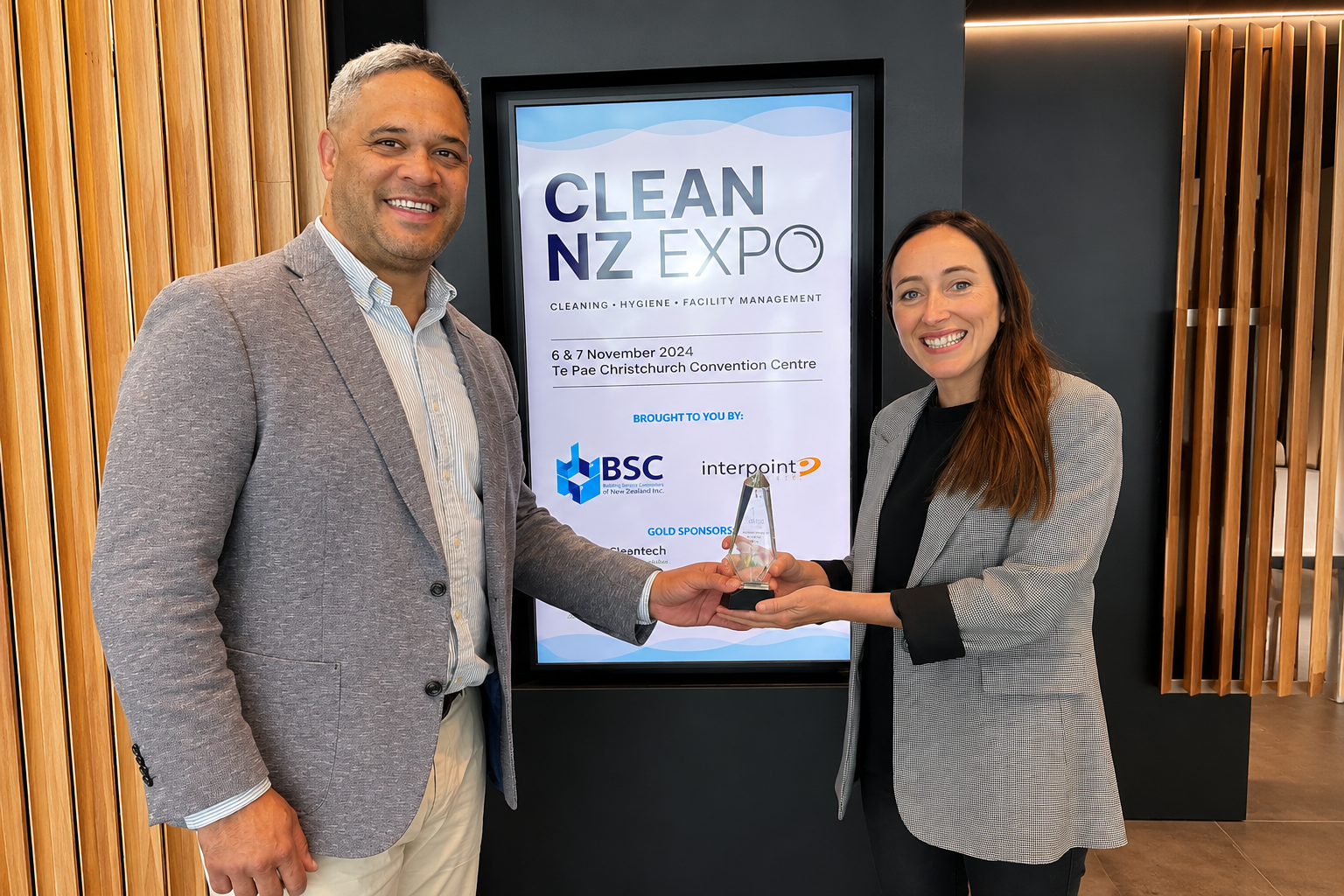
Innovation in Cleaning Award - Mode Technology
When Mode Technology entered the commercial robotics market in New Zealand, we knew robotics had enormous potential. What we’ve learned since is that successfully introducing robots into businesses is about much more than supplying great technology.
It’s about understanding people, environments, workflows and expectations. It’s about finding the right robot for the right application, providing outstanding support and continually learning as the technology evolves.
Over the past few years, Mode Technology has grown alongside New Zealand’s rapidly developing commercial robotics industry. We’ve won awards, secured some of the country’s largest robotics contracts and deployed robotic solutions across a wide range of commercial environments.
Along the way, we’ve learned some valuable lessons.
1. One Size Definitely Does Not Fit All
Perhaps our biggest lesson has been simple: there is no single robot that is right for every customer.
Every organisation operates differently.
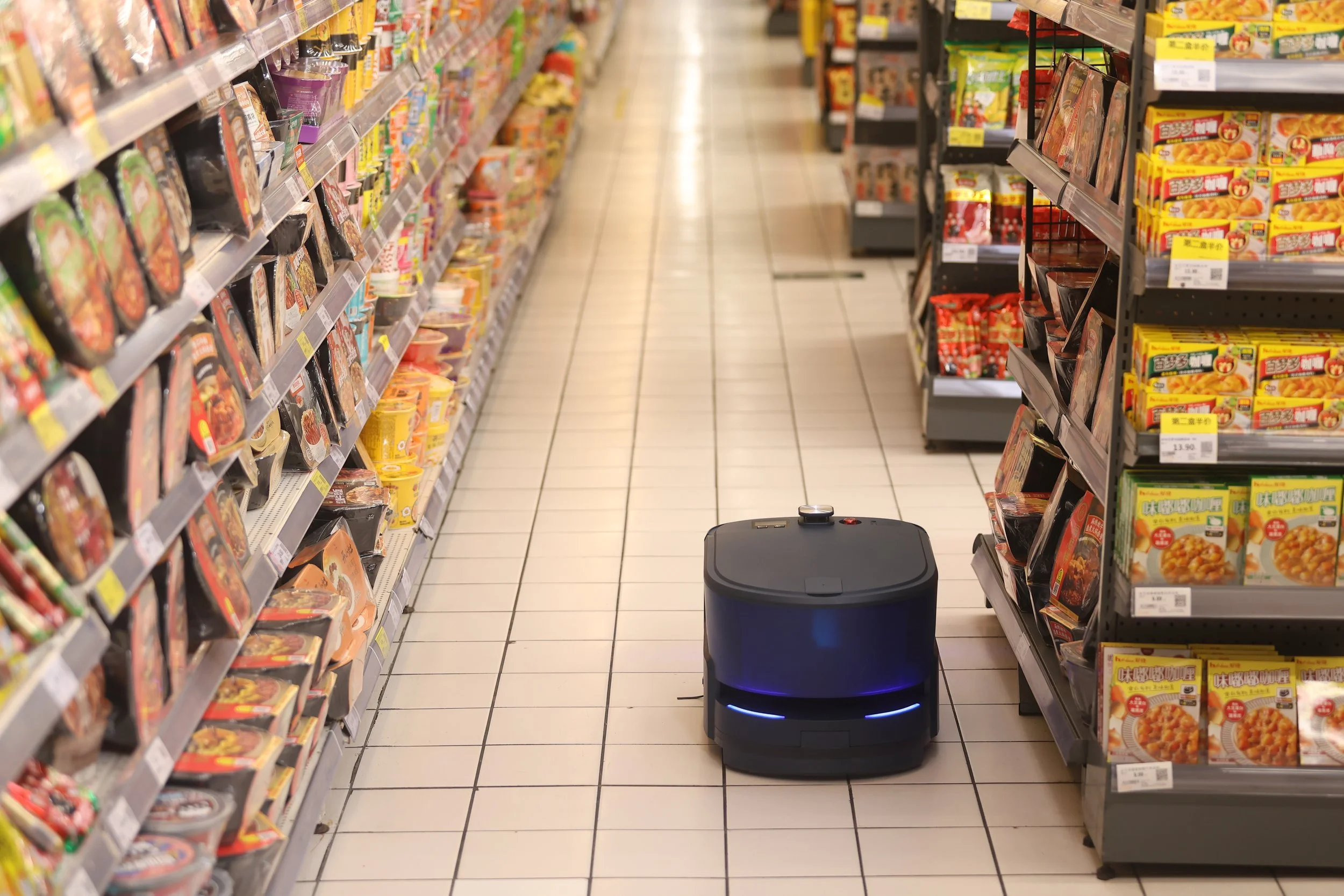
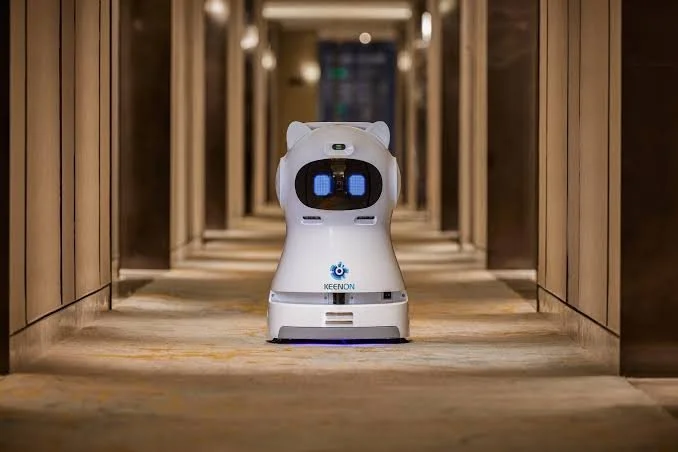
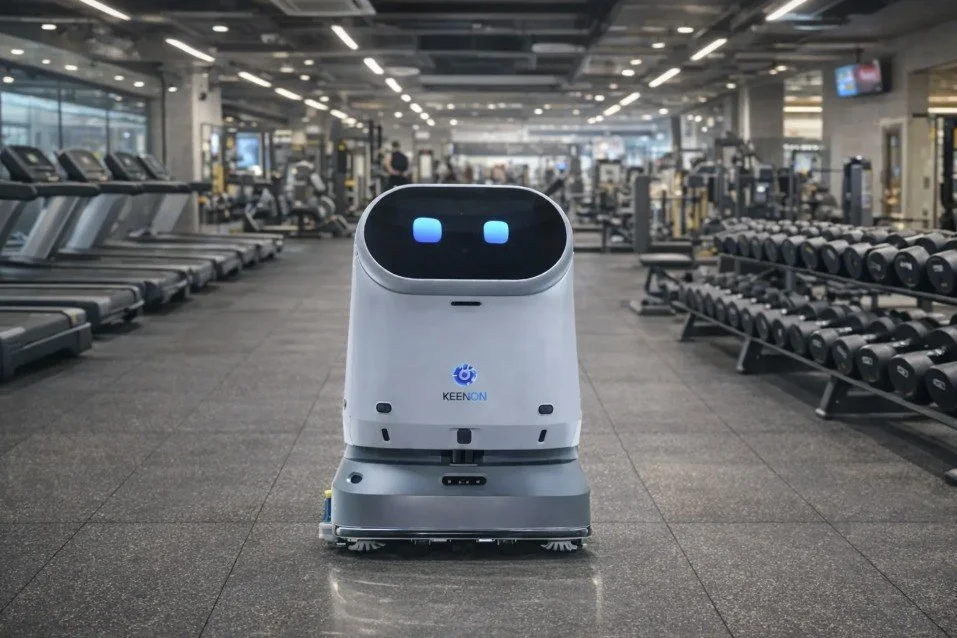
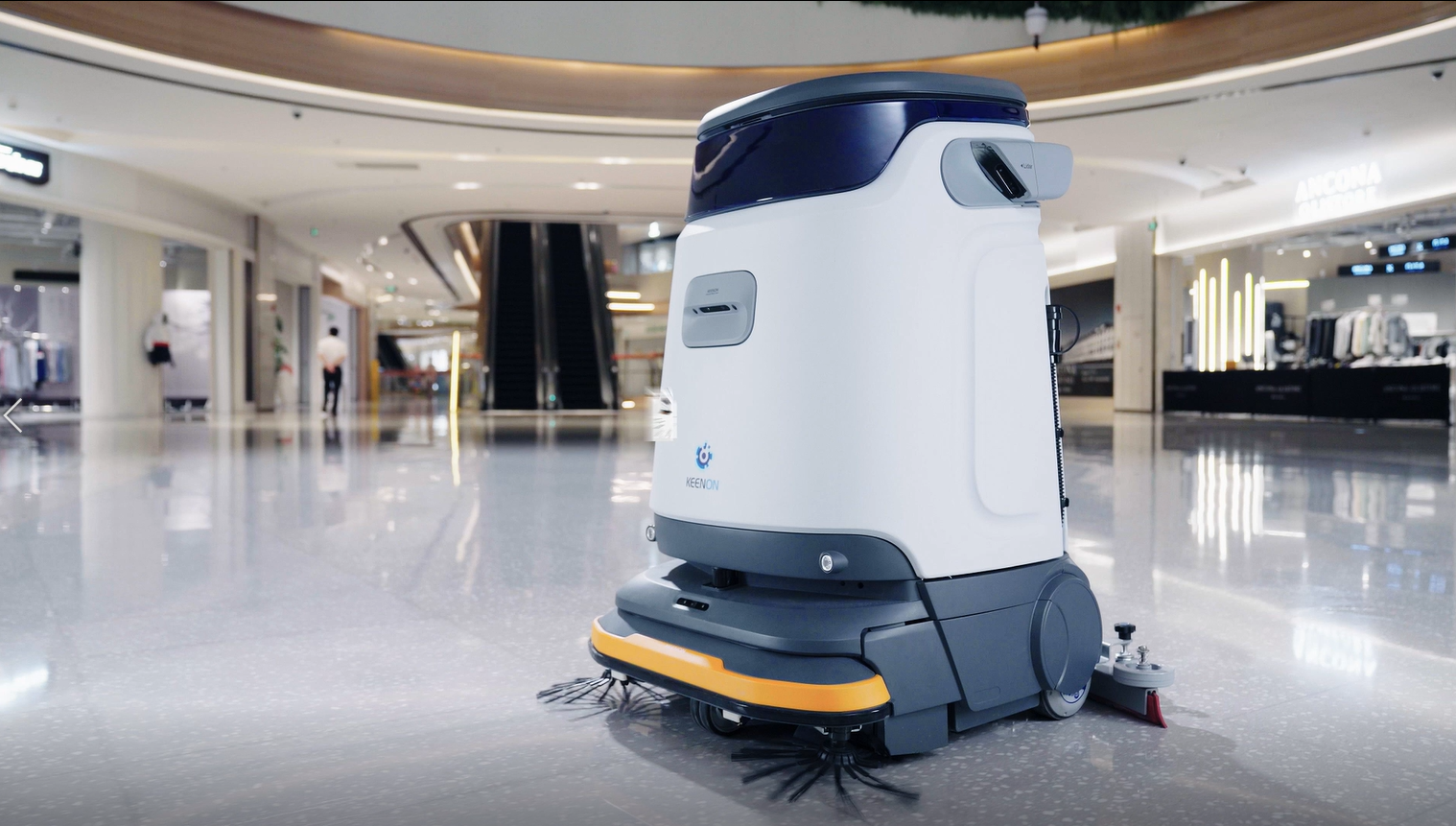
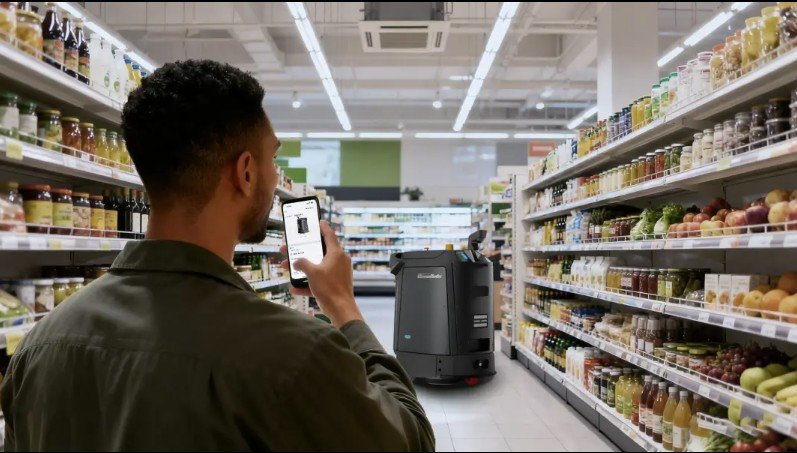
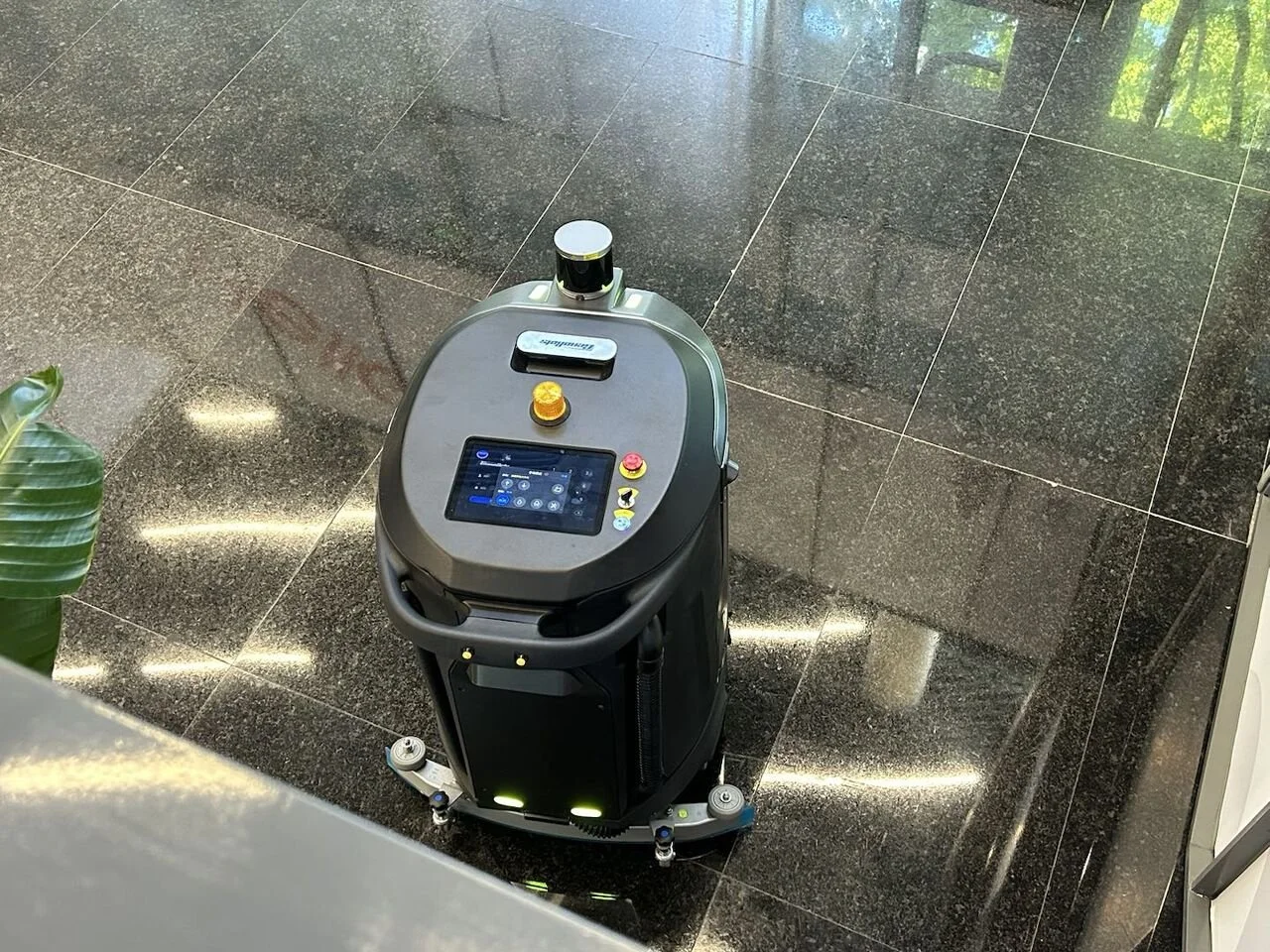
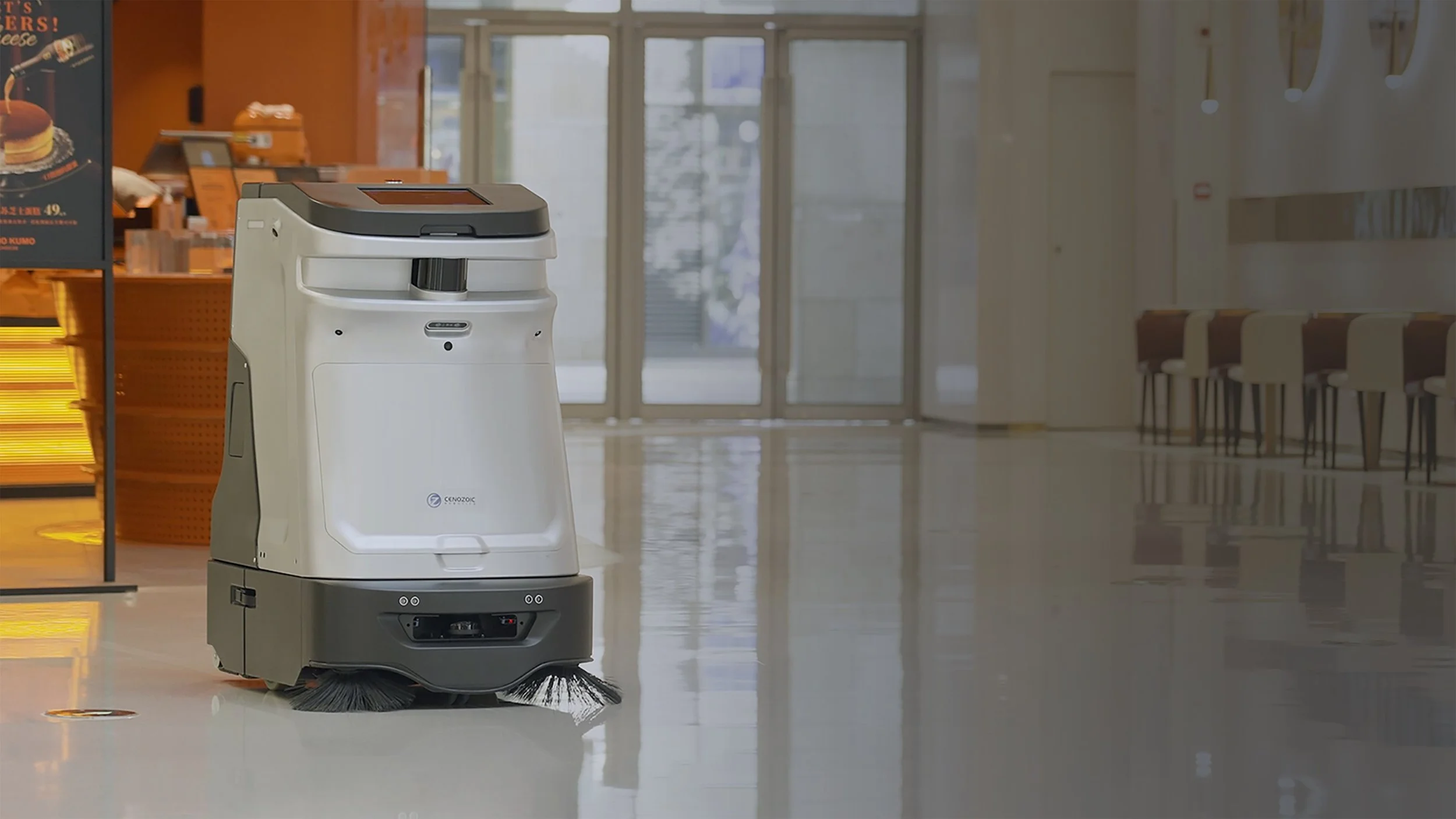
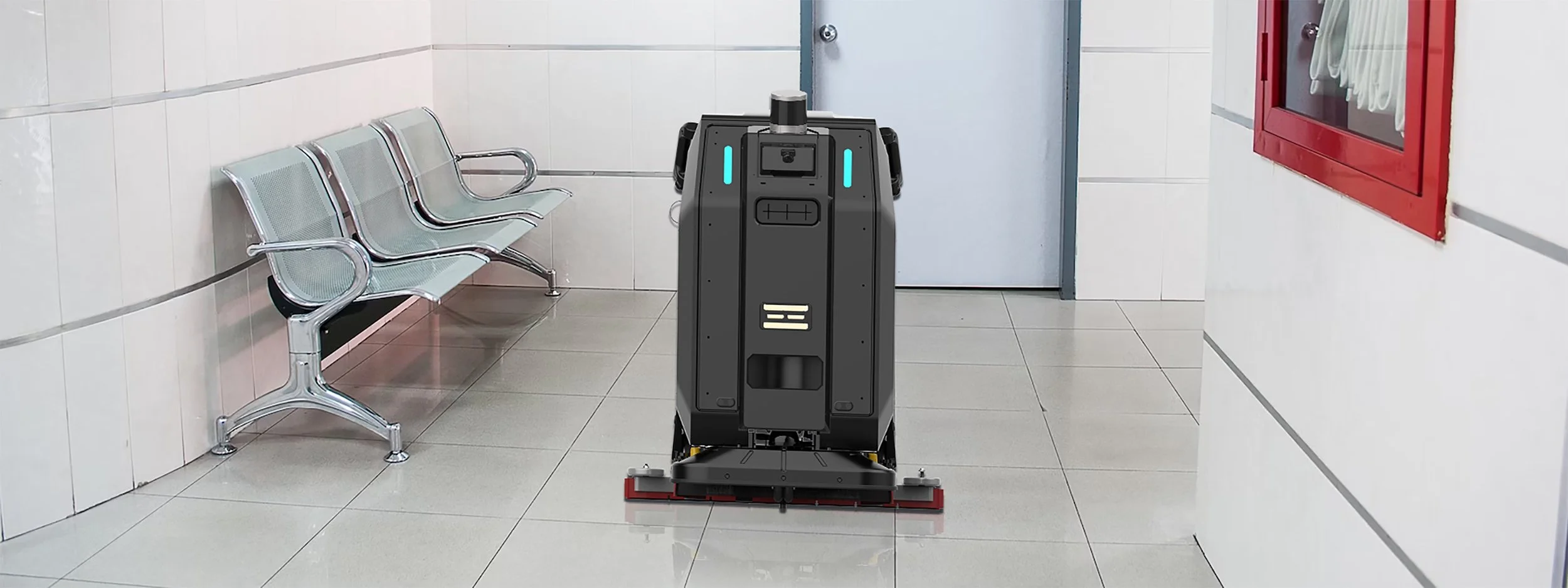
A cleaning robot that performs brilliantly in a large shopping centre may not be the best solution for a smaller healthcare facility. A robot designed for large open spaces will have very different requirements from one operating around furniture, customers, staff or narrow corridors.
That’s why our approach starts with understanding the environment and the problem we’re trying to solve — not simply choosing a robot.
We consider factors such as floor types, building layouts, pedestrian traffic, cleaning requirements, operating hours, existing workflows and what the customer ultimately wants to achieve.
The technology needs to fit the customer — not the customer fit the technology.
2. Tailored Solutions Deliver Better Results
Robotics should solve real operational problems.
That means taking the time to understand where automation can deliver genuine value and designing a solution around that opportunity.
Sometimes the best solution is one robot. Sometimes it’s a fleet of different robots performing different tasks. And sometimes, after assessing an environment, we may determine that robotics isn't the right solution for a particular task at all.
Successful automation requires an honest, consultative approach.
Our role is to help customers understand what is possible, where robotics can make a meaningful difference and how automation can complement their existing workforce.
The best robotic deployments aren't about replacing people. They're about identifying repetitive, time-consuming tasks that technology can perform consistently, allowing people to focus on work where their skills and attention deliver greater value.
3. After-Sales Support Is King
Selling a robot is only the beginning.
One of the most important lessons we’ve learned is that after-sales support can make or break a robotics deployment.
Robots are sophisticated pieces of technology operating in real-world environments. Buildings change. Furniture moves. Staff change. Cleaning requirements evolve. Occasionally, things go wrong.
Customers need to know there is someone behind the technology who understands their robot, their environment and their operation.
That's why we've invested heavily in building local capability around the products we represent.
From implementation and training through to troubleshooting, servicing, optimisation and ongoing advice, our goal is to ensure customers continue getting maximum value from their investment long after deployment day.
For us, a successful robot isn't one that works brilliantly during a demonstration.
It's one that is still delivering value every day, months and years after it has been deployed.
4. Your Super Users Matter
Technology works best when people understand it.
For every robotics deployment, having engaged super users within the customer's organisation can make an enormous difference.
These team members don't need to become robotics engineers. But they should understand the basics: how to operate the robot, start and manage tasks, identify simple issues and know when they need additional support.
Just as importantly, they need to understand the importance of daily maintenance.
Like any commercial equipment, robots perform best when they're looked after. Simple daily tasks such as checking and cleaning sensors, brushes, squeegees, filters, tanks and other key components can significantly influence cleaning performance and reliability.
Training isn't something we view as an optional extra.
It's a fundamental part of a successful deployment.
5. Give Customers Different Ways to Adopt Robotics
Investing in new technology can feel like a big step, particularly for organisations introducing robotics for the first time.
Not every customer wants to purchase equipment outright.
That's why providing both leasing and ownership options has become an important part of making robotics more accessible.
For some organisations, outright ownership makes perfect commercial sense. Others may prefer a leasing model that provides predictable costs and reduces the initial capital investment required to introduce automation.
The important thing is providing flexibility.
Robotics should be commercially viable as well as technically viable.
6. Never Stop Researching
The global robotics industry moves incredibly quickly.
Products improve. New manufacturers emerge. Artificial intelligence develops. Navigation gets smarter. Sensors become more sophisticated and entirely new applications for autonomous technology appear.
What was considered leading-edge technology two years ago can quickly become standard.
That's why we spend considerable time researching what's happening around the world.
Who is doing something different? Who is solving problems better? Which manufacturers are innovating? Which products are proving themselves in real commercial environments?
We don't believe in partnering with manufacturers simply because we've always worked with them.
Our responsibility is to continually assess the market and ensure we're partnering with strong global technology companies and bringing the best robotic solutions to New Zealand.
That research never stops.
7. The Robot Is Only Part of the Solution
It can be easy to focus on specifications, battery life, cleaning capacity, navigation technology, sensors and productivity.
Those things matter.
But we've learned that the robot itself is only one part of a successful automation programme.
A great product without implementation, training, maintenance and support can quickly become an expensive piece of equipment sitting in a corner.
The complete solution includes:
The right robot + the right application + good implementation + trained people + ongoing maintenance + strong local support.
Get those elements right and robotics can deliver significant long-term value.
8. Start With the Outcome, Not the Robot
Customers don't really want robots.
They want outcomes.
They may want cleaner floors, improved productivity, greater consistency, better use of labour, increased operational visibility or the ability to redirect their people towards higher-value activities.
That distinction matters.
Rather than beginning a conversation with “Which robot would you like?”, we prefer to ask:
“What problem are you trying to solve?”
Once we understand that, we can determine whether robotics can help — and which solution is most appropriate.
9. Measure, Learn and Optimise
Deploying a robot shouldn't be the end of the process.
Once a robot enters a live commercial environment, there is an opportunity to learn from how it performs.
Are the routes optimal? Are there areas where utilisation could increase? Could operating schedules be changed? Are there additional tasks the robot could complete?
The organisations that get the greatest value from robotics tend to treat automation as something that can continually be improved rather than simply installed.
That means reviewing performance, listening to users and making adjustments as the environment evolves.
10. We're Proud of How Far We've Come
Building a robotics business in New Zealand has been an incredible journey.
Seeing customers embrace automation, watching teams become confident working alongside robots and seeing technology deliver genuine operational improvements is enormously rewarding.
Along the way, winning industry awards and securing some of New Zealand's largest commercial robotics contracts has been an amazing recognition of the work our team has put in.
But we're equally proud of what happens after those announcements.
It's the robot turning up every day and doing its job. It's a customer calling to say automation has made their operation easier. It's seeing a team that was initially uncertain about robotics become some of its biggest advocates.
Those are the results that matter.
What Comes Next for Robotics in New Zealand?
We believe we're still at the beginning.
Robotics and automation will continue to become a more familiar part of workplaces across New Zealand. The technology will get smarter, applications will expand and organisations will become increasingly comfortable integrating autonomous technology into everyday operations.
For Mode Technology, our focus remains the same.
We'll continue researching the global market, challenging ourselves, developing our technical capability and partnering with innovative manufacturers.
Most importantly, we'll continue listening to our customers.
Because after everything we've learned building a robotics business, one principle stands above the rest:
Successful robotics isn't about selling robots. It's about delivering the right solution, supporting it properly and creating measurable value for the customer.
And that's what we'll continue working to deliver.
Thinking About Robotics for Your Organisation?
Whether you're exploring autonomous cleaning robots, service robots or other commercial automation solutions, choosing the right technology is only the first step.
Talk to Mode Technology about your environment, the challenges you're trying to solve and what you want to achieve. We'll help you explore whether robotics is the right solution and if it is, how to make it successful.
This would work particularly well as a founder/company thought-leadership piece, rather than a standard product blog. It positions Mode as having learned from real deployments and experience rather than simply being a robotics reseller.